Who are we?
An independent early childhood learning space founded by an Indonesian child psychologist and mother. Reggio Emilia-inspired, play-based, nature-connected — a growing community that stays personal.
untuk anak — for the child
For children aged 1–7 years, where learning grows through play, relationships, nature and meaningful experiences. We learn in mixed-age groups, with a personal teacher-to-child ratio, so every child is known by name — not by number.
Free · about 1 hour · Mon–Sat · usually books 3–5 days out.
who we are
Three short answers, so you know within a minute whether we are the right fit for your family.
An independent early childhood learning space founded by an Indonesian child psychologist and mother. Reggio Emilia-inspired, play-based, nature-connected — a growing community that stays personal.
Karang Teduh Residence No. B7, Kediri, Tabanan, Bali — a quiet residential street, ten minutes from Tabanan town and an easy drive from the Canggu side.
Children aged 1 to 7 years, in mixed-age groups. Our families come from Kediri, Tabanan, Canggu, Seseh, Cemagi, Pererenan and Munggu — local Balinese, Indonesian and international families side by side.
why we're different
Most preschools scale up and lose what made them personal. As we grow, we stay committed to knowing every child individually. Here is exactly what that means for your child, day to day.
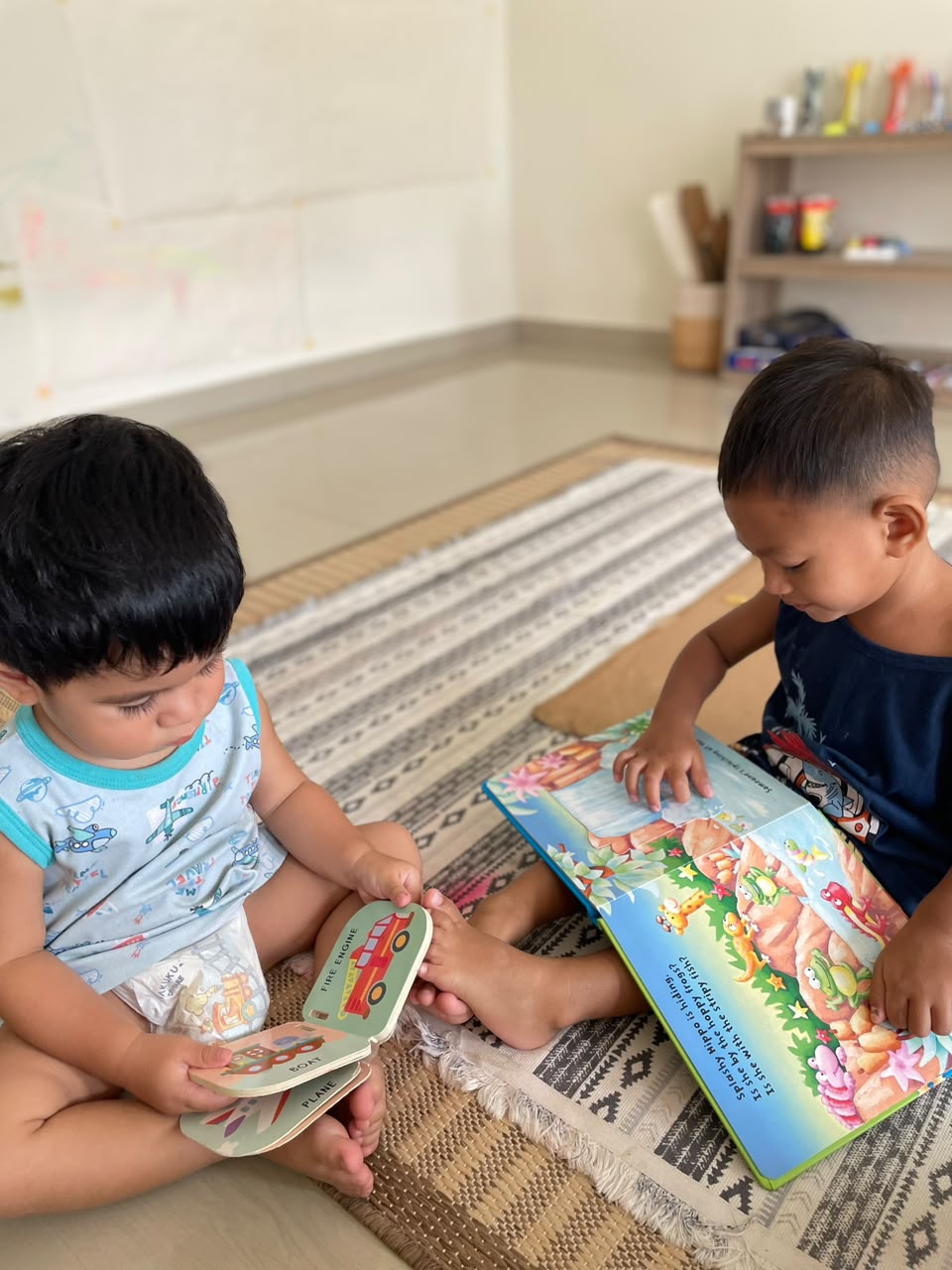
Younger children learn through observation and participation. Older children develop independence and empathy by helping. Nobody is rushed to keep pace with a birthday cohort.
Fewer children per teacher means real observation — a teacher who notices what your child is working on, and follows it.
Before letters and numbers comes trust. Children settle, feel safe, and only then begin to stretch themselves.
Mud, water, plants, weather, food. Much of the day happens outdoors, in real sensory experience rather than on paper.
A child's question becomes a week or a month of learning. Literacy and numeracy grow out of that real work.
We are growing thoughtfully, without losing the personal relationships that matter — a place where children are known, observed and understood.
one environment, every age
Mixed-age groups mean younger and older children learn side by side, each finding what they need in the same environment.
For younger children
Sensory exploration, movement, practical life, gentle routines and warm relationships — the foundations of trust and confidence.
For older children
Deeper project work, symbolic language, early literacy and numeracy, problem solving and collaboration — building on what came before.
what we hold at the centre
Curiosity
Every day begins with the child's questions.
Care
For each other, for the space, for the food we share.
Courage
To try, to make a mess, to keep going.
Wonder
The world is huge and beautiful — we move slowly, on purpose.
What families say
"I'm so happy that finally there is a place nearby our house that provides an early learning experience for our little one. Their programs are really suitable for us, the teachers and staff are very professional and most importantly our child is really happy and comfy with them all. Also the food is yum!!!"
"We came for a visit then decided to have our children joining their playdate session. The environment is so peaceful, the way the educators talk to the children was so professional, the lunch here is amazing. What I love the most is how flexible their programs are. They even have extended care with dinner included, so for working parents like us it is super helpful!!"
how vs what
Most schools tell you the WHAT — the subjects. We do that too. But the HOW is where a preschool becomes a real preschool: whether a child is a passive listener, or the protagonist of their own learning.
the WHAT
Early literacy, numeracy, science, art, gardening, cooking, life skills, movement, and social-emotional learning — everything a strong early years program covers.
the HOW
Emergent, child-led projects. A child's question — 'why?', 'can we?', 'what if?' — becomes a week or a month of learning. Everything gets woven in through real work.
A glimpse inside
We share small daily moments from the space — children painting, cooking, playing outside, resting. Follow along on Instagram, or come see it in person.
How learning happens
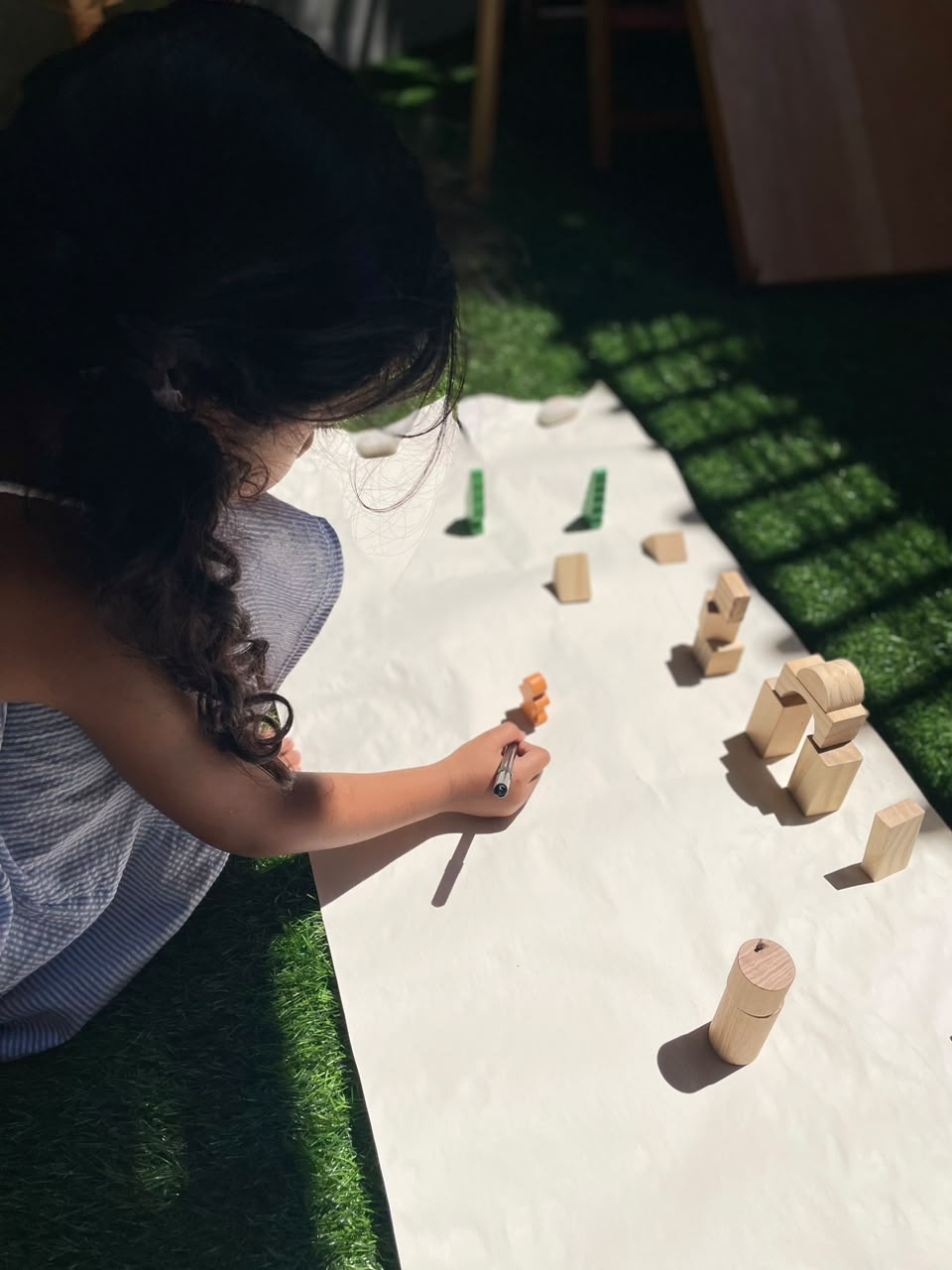
A simple interest — water, cooking, building, a leaf — can grow into a multi-week project. Teachers observe, listen, and extend children's thinking with the right materials and questions.
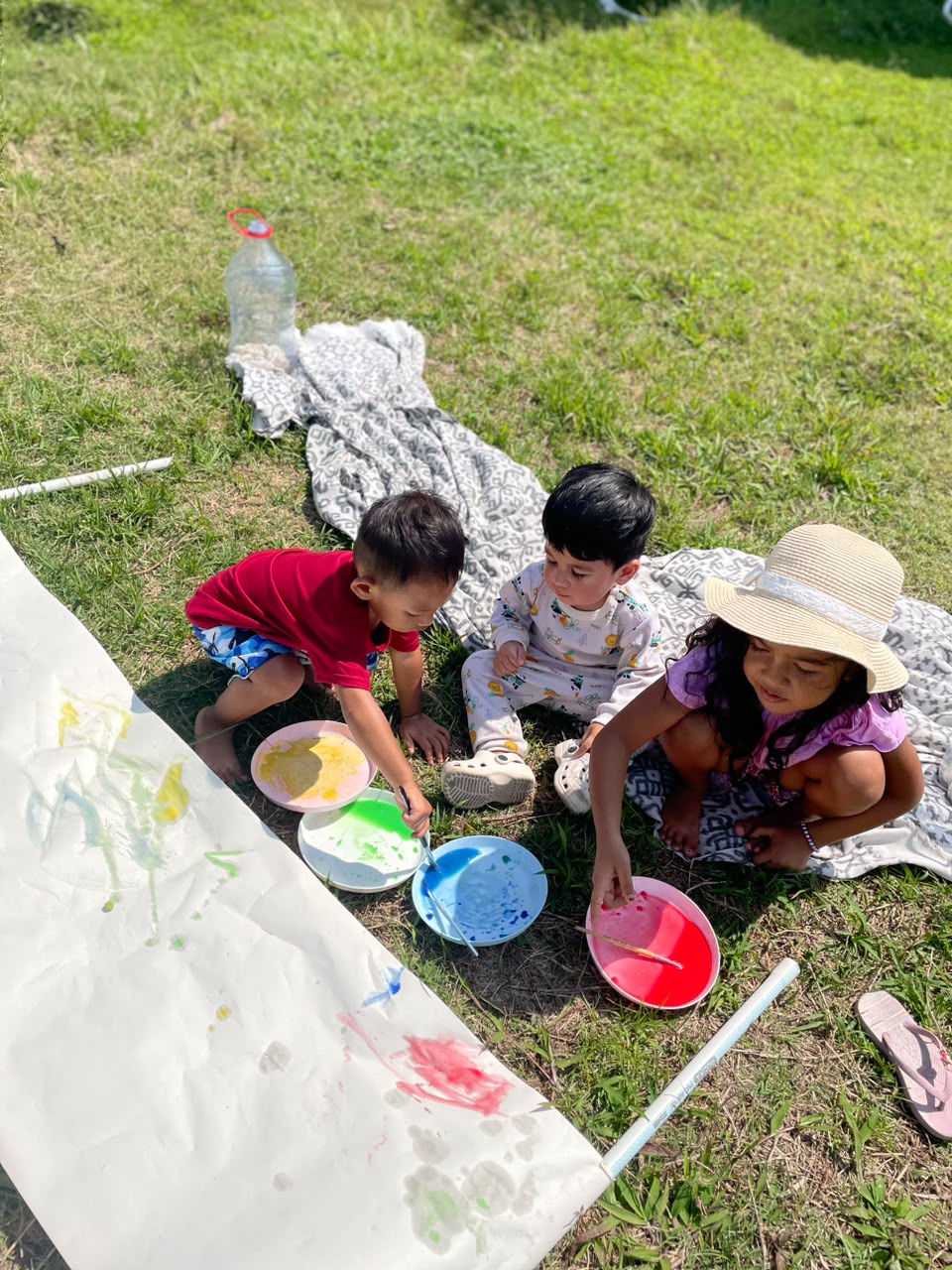
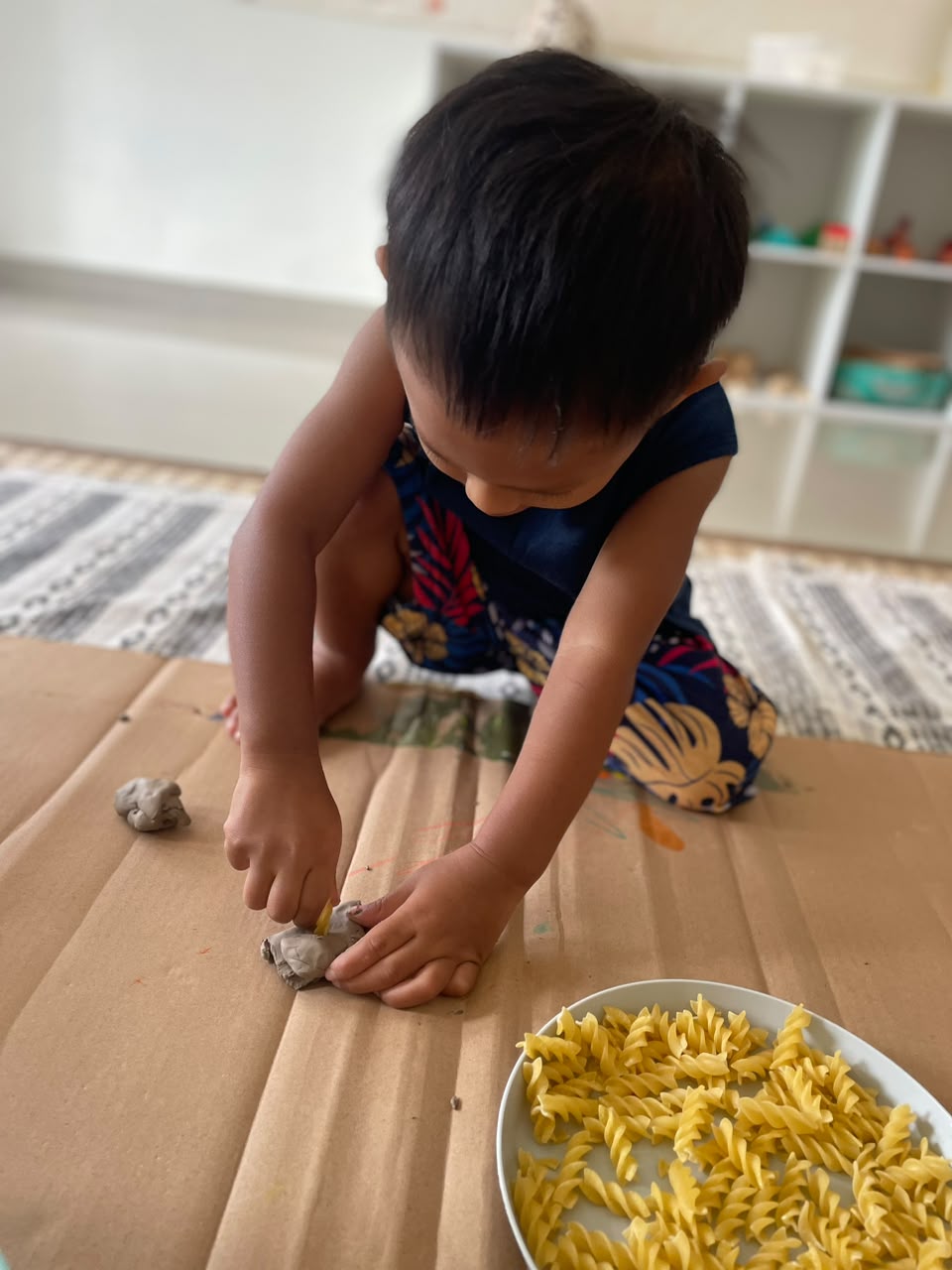
Children explore materials freely — mixing, texturing, deciding. The focus is on how they think and express, not what they produce.
Water play, cooking, and nature become quiet laboratories for curiosity, observation, and cause-and-effect.
Real tasks — pouring, scooping, cutting soft foods — repeated gently so children build confidence and independence.
Stories, songs, conversation. Vocabulary and listening grow naturally before reading and writing are gently introduced.
Counting, sorting, and patterns discovered through cooking, building, and daily life — never worksheets.
Climbing, dancing, balancing. Movement supports coordination, focus, and emotional regulation every single day.
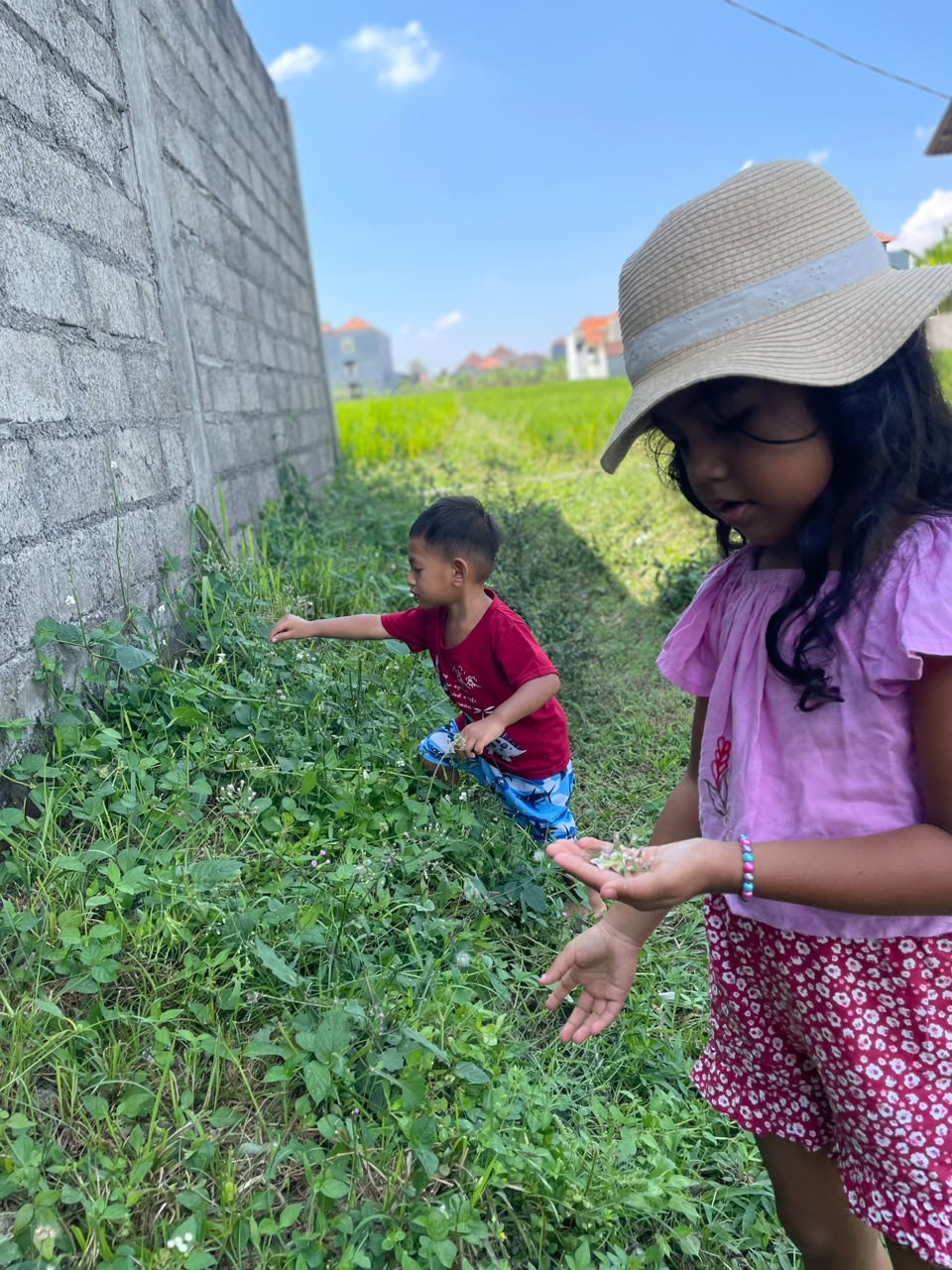
Gardening, caring for plants, observing the seasons — building a quiet, lifelong relationship with the natural world.
Keep exploring
Take a few minutes to wander through the parts of Untuk Anak that matter most to your family.
The philosophy in depth
How we actually teach: emergent projects, Reggio-inspired literacy and numeracy, and the environment as a third teacher.
Read the philosophy →
Programs
Half day and full day preschool, weekly baby sessions, open playdates, and afternoon clubs.
See all programs →
Fresh, made in-house
Warm meals, morning and afternoon snacks, and an optional dinner for extended care.
Peek at the menu →
Why we exist
Meet our founder and the philosophy behind every corner of the space.
Read our story →
Every question, answered
The honest answers we give every parent who visits — in English and Bahasa Indonesia.
Read the FAQ →
The space
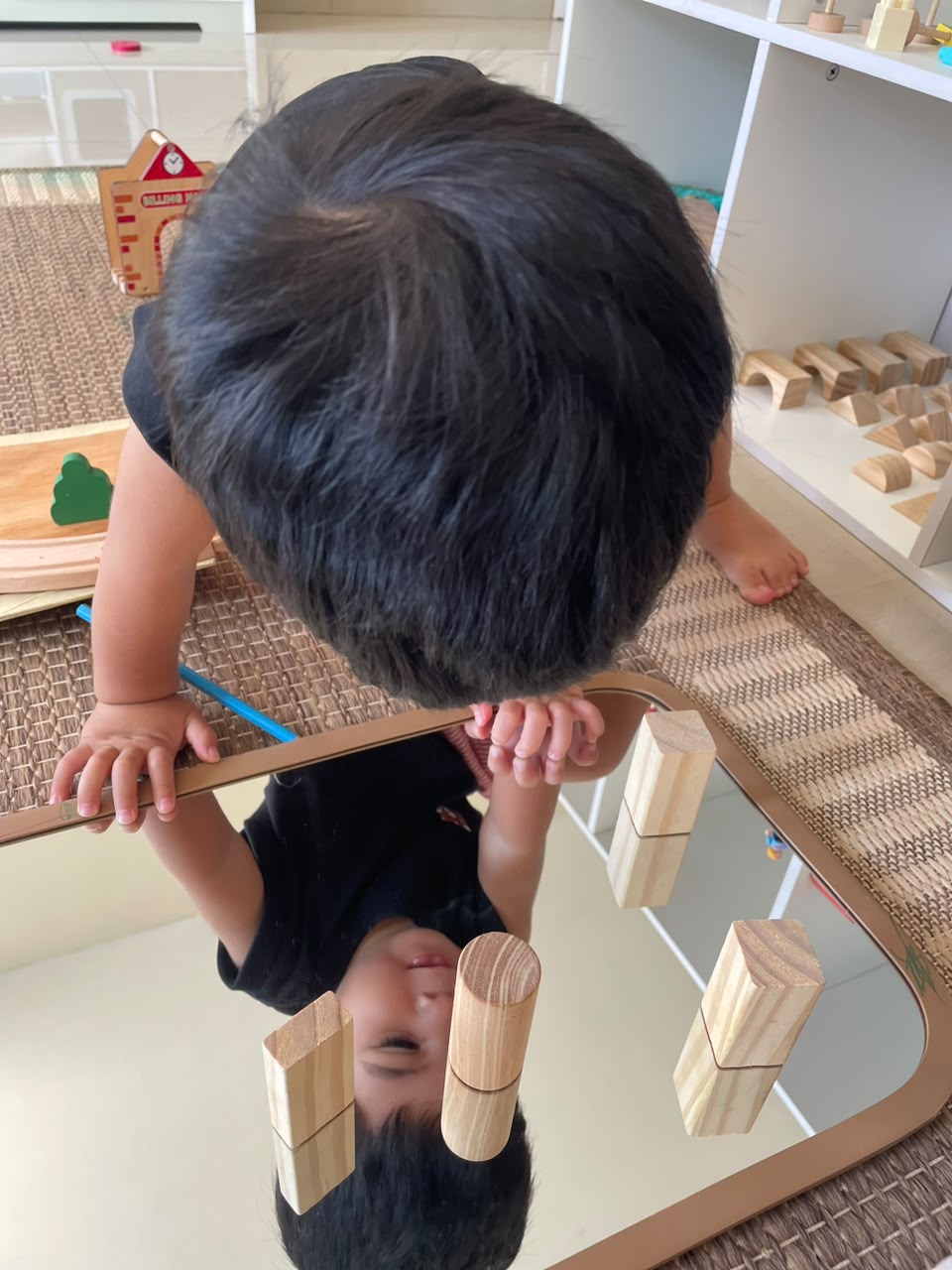
Our environment is intentionally prepared, calm and aesthetically considered, stimulating without being overwhelming.
Moments from our days
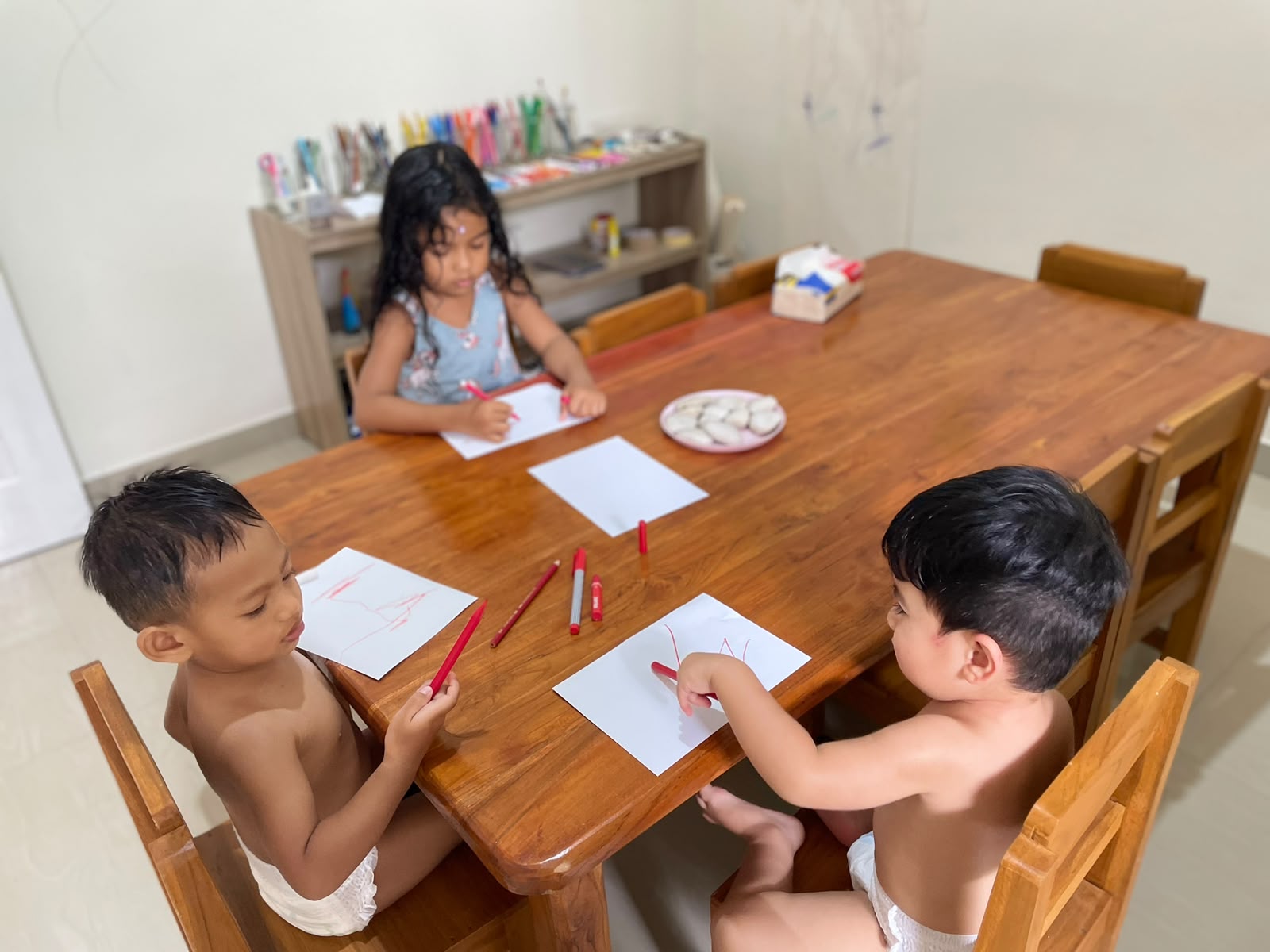
A few unposed moments from the space. This is what learning through play actually looks like.
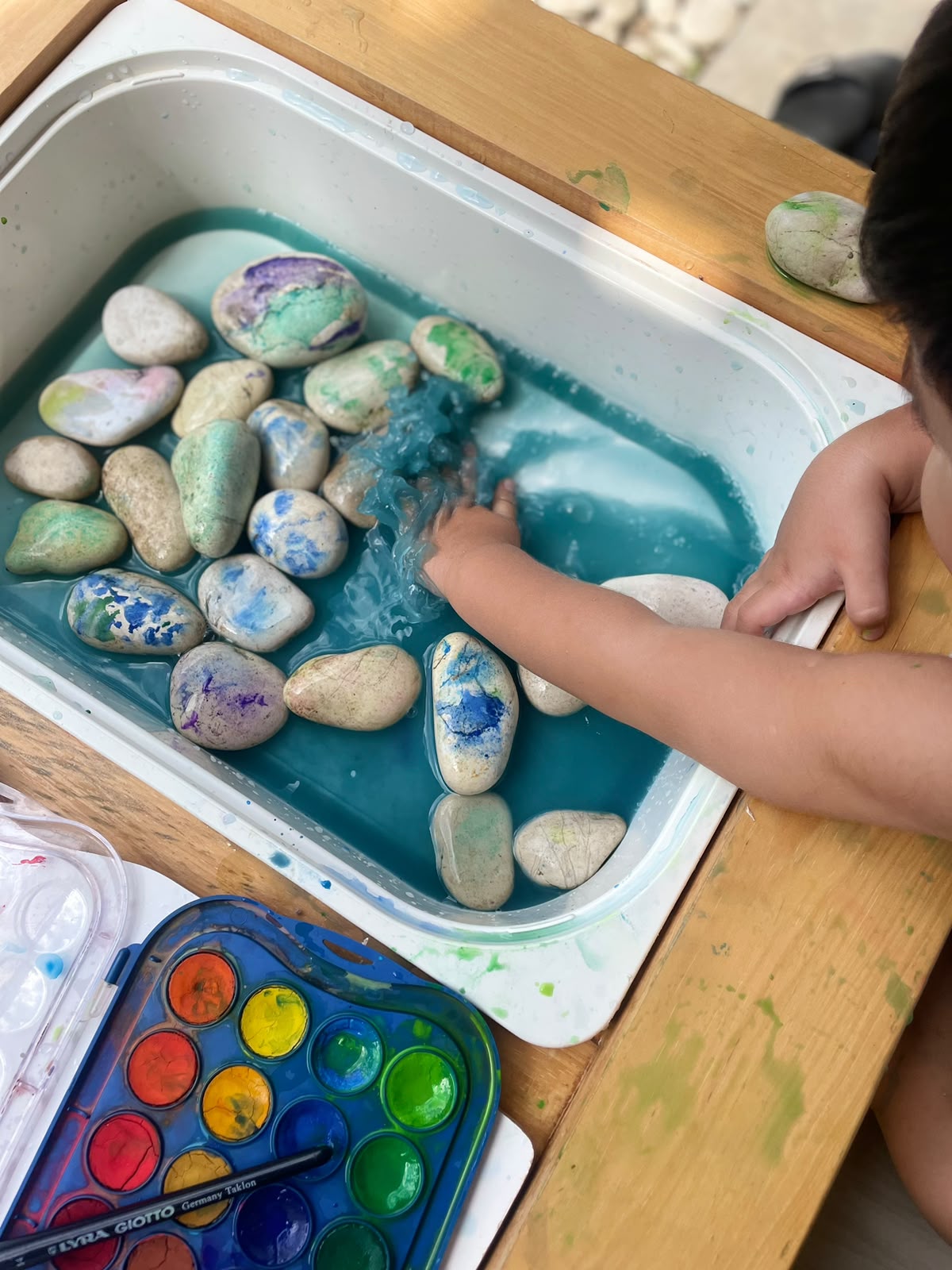
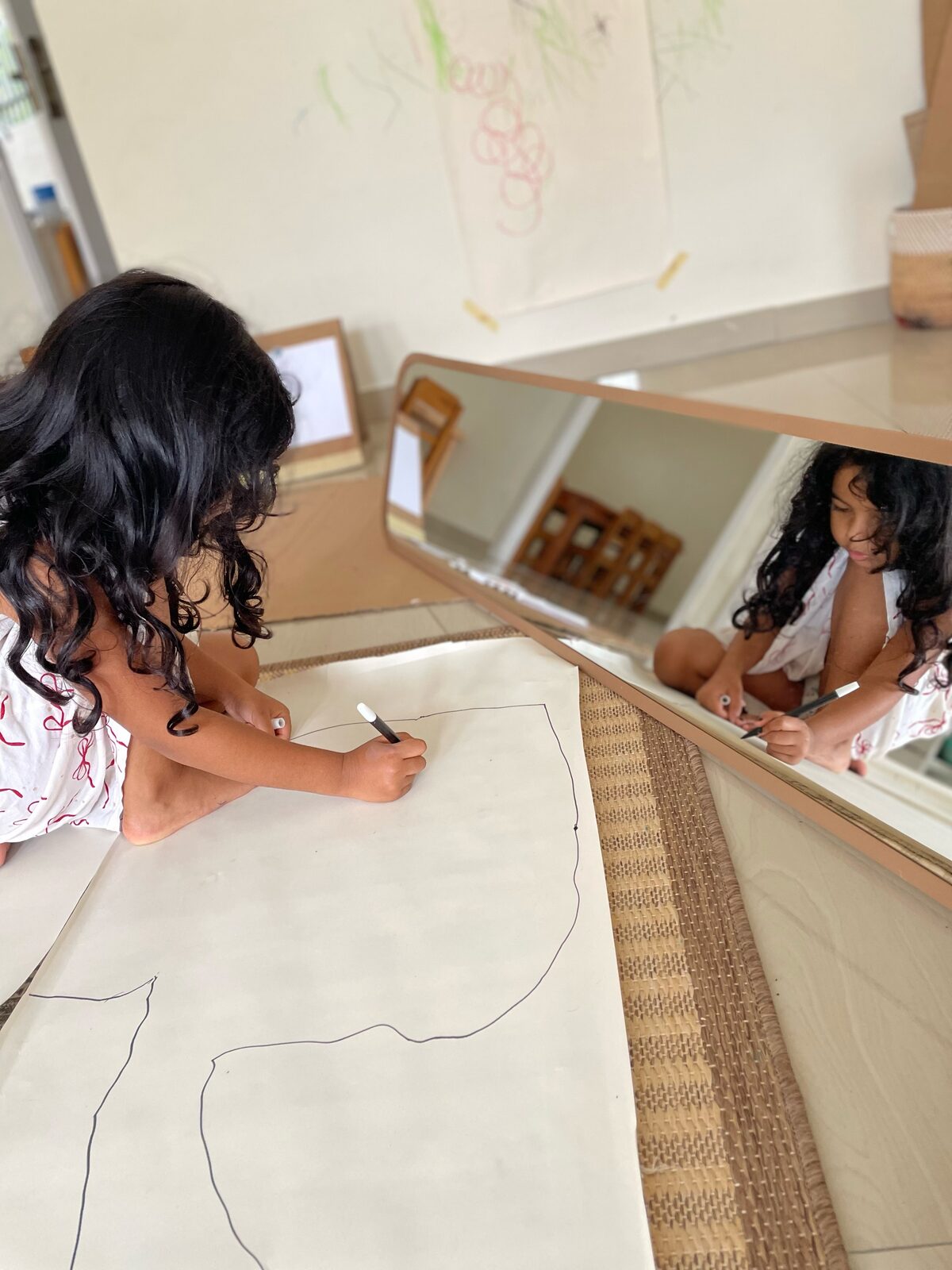
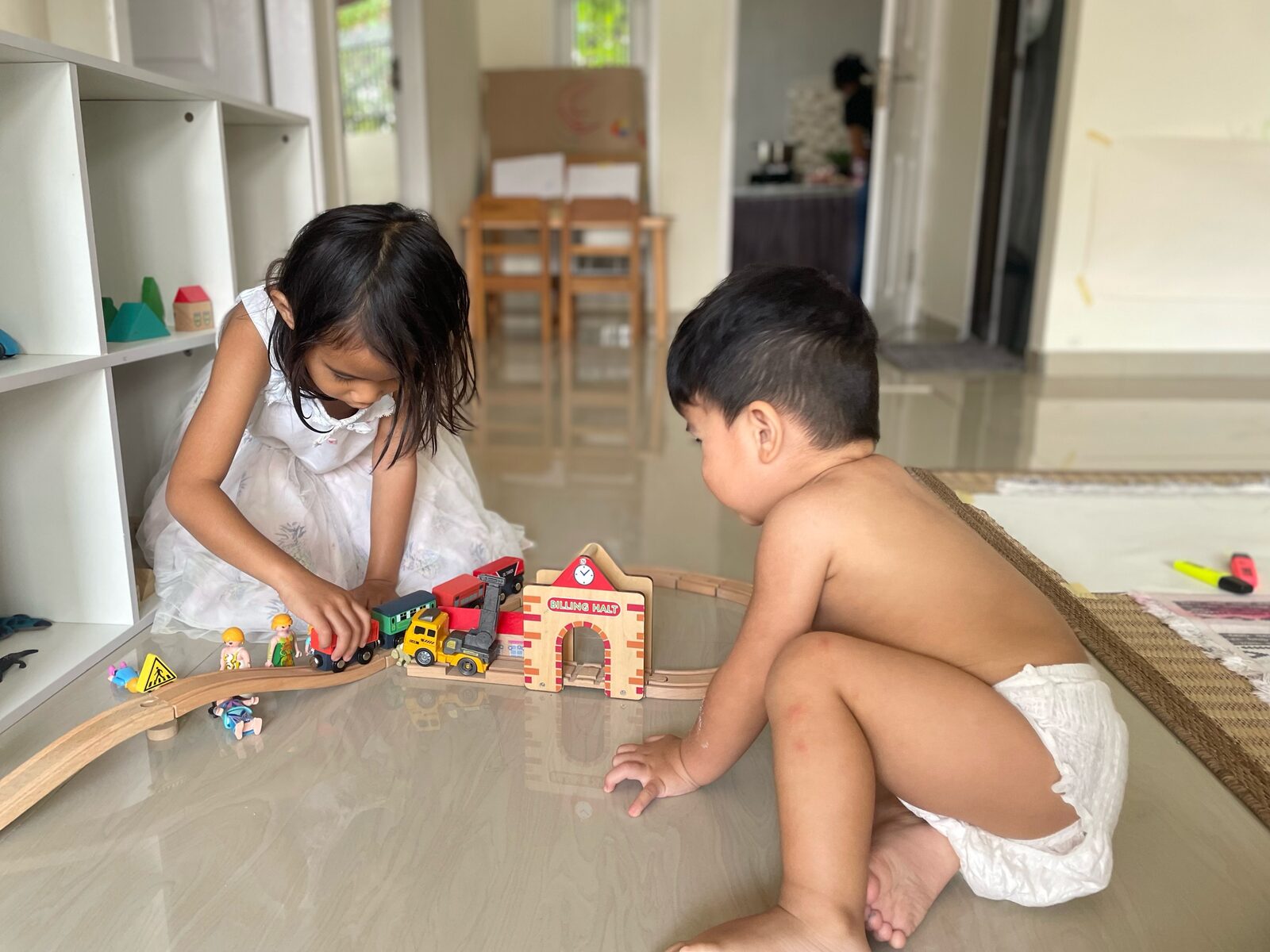
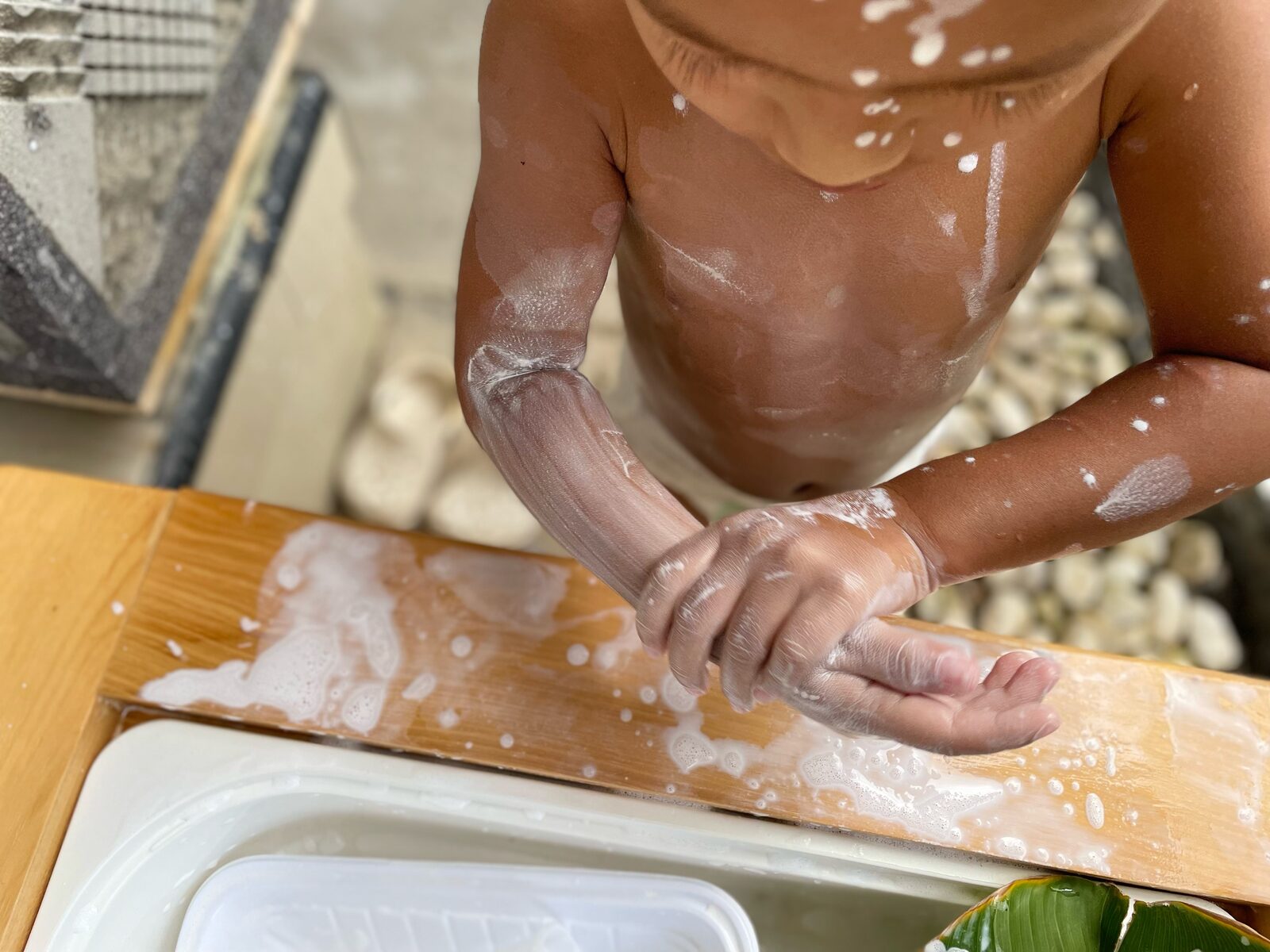
"We are not building the biggest school. We are building the school we wish existed — for children, for parents, and for teachers."
Quick answers
Children aged 1 to 7 years, learning together in mixed-age groups. Baby & Me sessions, playdates and afterschool clubs are available too.
Karang Teduh Residence No. B7, Kediri, Tabanan, Bali — about ten minutes from Tabanan town, and an easy drive from Canggu, Seseh, Cemagi, Pererenan and Munggu.
Children's own questions drive long projects. Teachers observe and document, then offer real materials — clay, water, plants, food, paint — so reading, counting and science grow from real work, not worksheets.
Younger children learn through observation and participation; older children develop independence and empathy by helping. It mirrors family life and removes the pressure of a single-birthday cohort.
We keep a personal teacher-to-child ratio in mixed-age groups, so each child is truly observed and known as our community grows.
Message us on WhatsApp for a free school visit, about one hour, Monday to Saturday. Visits usually book 3–5 days out.
what you can count on
Choosing a preschool means trusting people you have only just met. These are the things we do consistently — so you know exactly what your child's day looks like, who is with them, and how we will keep you in the loop.
We see children as capable, curious people — not empty vessels. Inspired by Reggio Emilia and Montessori-informed independence, we build learning around relationships, real materials and the child's own questions.
Learning starts with something a child notices. Teachers offer materials, questions and time, then follow where the thinking goes — literacy, numeracy, science and art grow out of those projects rather than worksheets.
Our house-based space is enclosed, gated and supervised at all times. Safety here is quiet and practical rather than a list on a poster.
Young children settle when the shape of the day is familiar. Ours balances free exploration, group time, outdoor play, real meals and proper rest.
Our founder is an early childhood educator with a psychology background and five years in classrooms, including with children who need additional support. She trains and mentors every teacher personally.
You should never have to guess how the day went. We share what we see, honestly, including the hard days.
Separation takes as long as it takes. We plan the first weeks with you rather than dropping your child into a full day.
As our community grows, we remain committed to knowing every child individually — a place where children are known, observed and understood.
Families come to us from Kediri, Tabanan, Canggu, Seseh, Cemagi, Pererenan and Munggu — usually after visiting somewhere larger first.
Come and see for yourself"We are not building the biggest school. We are building the school we wish existed — for children, for parents, and for teachers."
come and see
The best way to know if Untuk Anak is right for your child is to walk in, meet the team, and feel the space. Visits are free and only take about an hour.
We reply on WhatsApp within a few hours, Mon–Sat. Tours usually book 3–5 days out.